
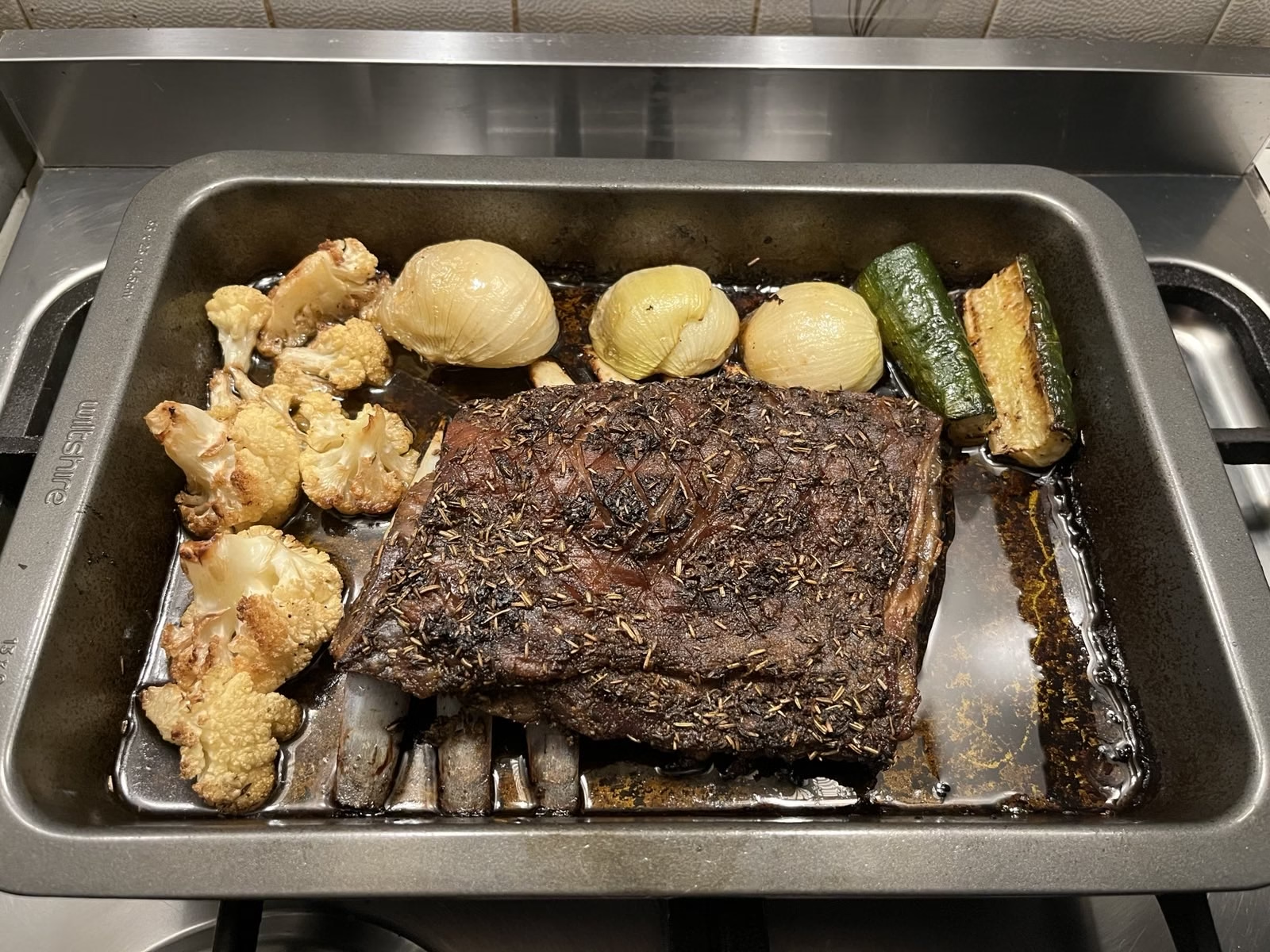
Unlock the secret keto weapon hiding in plain sight: lamb breast. Rich in nourishing fats that keep keto devotees deeply satisfied, this humble cut transforms under slow roasting into unbelievably tender, succulent meat crowned by crackling golden fat. Often overlooked for pricier chops, lamb breast is an affordable, flavour-packed gem. Here, it’s elevated royally by a vibrant crust of rosemary, thyme, garlic, lemon zest, and smoked paprika. These herbs cut through the richness, adding aromatic brightness and complexity, proving simple ingredients create extraordinary, keto-perfect feasts.
Serves: 4
Prep Time: 15 minutes
Cook Time: 3 hours
Ingredients
- 2 lbs (900g) lamb breast (bone-in, with fat cap)
- 3 tbsp olive oil or avocado oil
- 4 garlic cloves, minced
- 1 tbsp fresh rosemary, finely chopped (or 1 tsp dried)
- 1 tbsp fresh thyme leaves (or 1 tsp dried)
- 1 tsp lemon zest
- 1 tsp smoked paprika
- 1/2 tsp chili flakes (optional)
- 1 tsp sea salt
- 1/2 tsp black pepper
Instructions
- Prep the Lamb:
- Preheat oven to 300°F (150°C).
- Score the fat cap in a crisscross pattern with a sharp knife (don’t cut into the meat).
- Pat the lamb dry with paper towels.
- Make the Rub:
- In a bowl, mix olive oil, garlic, rosemary, thyme, lemon zest, smoked paprika, chili flakes, salt, and pepper.
- Season the Lamb:
- Rub the mixture generously over the lamb, pushing into the scored fat and crevices.
- Roast Low & Slow:
- Place lamb fat-side-up on a rack in a roasting pan. Add 1 cup of water to the pan to keep moisture.
- Cover tightly with foil and roast for 2.5 hours.
- Crisp the Fat:
- Remove foil, increase oven temperature to 425°F (220°C). Roast uncovered for 20-30 minutes until the fat is golden and crispy.
Tips for Perfect Keto Lamb Breast:
- Scoring is Key: Ensure your knife is sharp! Score the fat cap deeply (about 1/4 inch / 0.5 cm) in a diamond pattern, cutting through most of the fat layer but stopping before hitting the meat beneath. This allows the fat to render effectively and the rub to penetrate.
- Patience with Low & Slow: Don’t rush the initial covered roasting. This gentle heat slowly breaks down the tough connective tissue, transforming the meat into fork-tender perfection while rendering out excess fat.
- Seal Tightly: Ensure the foil is tightly sealed over the roasting pan during the first stage. This traps steam, keeping the meat incredibly moist and tender.
- Water Bath Essential: The water in the bottom of the pan prevents burning drippings and smoking, creates a steamy environment for tenderness, and makes cleanup easier. Top it up slightly if it evaporates completely before the crisping stage.
- Crisp Vigilantly: Watch closely during the final high-heat blast! Ovens vary significantly. Crisp until the fat is deep golden brown and crackling, but stop before it burns – it can happen quickly. Rotate the pan if needed for even browning.
- Rest Before Serving: Let the lamb rest for 10-15 minutes after roasting. This allows the juices to redistribute throughout the meat, ensuring maximum succulence when sliced.
- Save the Drippings: The flavorful fat and juices in the pan are liquid gold! Strain and use for sautéing low-carb veggies or drizzling over the sliced lamb.
Frequently Asked Questions:
- Is lamb breast really keto-friendly?
* Absolutely! It’s naturally high in healthy fats (perfect for satiety and ketosis) and very low in carbs (especially with this herb-based rub, containing no sugar or starchy coatings). The rendered fat is pure keto gold. - Can I use boneless lamb breast?
* You can, but bone-in is highly recommended. The bones add significant flavor during the long roast and help the meat retain its structure and moisture. Boneless may cook faster and be slightly less succulent. - Can I substitute dried herbs for fresh?
* Yes, the recipe provides dried equivalents (use 1 tsp dried for 1 tbsp fresh rosemary or thyme). While fresh offer brighter flavor, dried work well in the slow-cooked rub. Do not skip the lemon zest. - Why add water to the pan?
* The water creates steam under the covered lamb, ensuring incredibly tender meat. Crucially, it prevents the flavorful drippings and any escaping rub from burning and smoking during the long cook, making cleanup easier too. - 7. My fat isn’t getting crispy enough. Help!
* Ensure you scored the fat cap deeply (almost to the meat). Pat the lamb very dry before rubbing. Make sure the oven is fully preheated to 425°F (220°C) for the crisping stage. Position the lamb close to the top element/broiler (if safe) for the last few minutes, watching closely. - Where can I find lamb breast?
* Ask your butcher! It’s often sold as a whole “lamb breast plate” or “riblets” but may need requesting. Check well-stocked supermarkets (especially around holidays), ethnic markets (Middle Eastern, Halal), or online meat suppliers. It’s budget friendly but sometimes hidden. - 6. Can I make this ahead?
* Yes, for best texture: Cook completely through the low & slow stage (covered). Cool, refrigerate, then crisp the fat uncovered at 425°F (220°C) just before serving (add 5-10 mins if cold). Cooked leftovers reheat well in the oven or air fryer to re-crisp the fat.
Leave a Reply